
Volunteer & Mentorship Program Horror Stories (And How to Avoid Them)

Volunteer and mentorship programs are cornerstones of strong member engagement in associations. They foster leadership, deepen relationships, and help members feel like they’re truly part of something meaningful. In fact, the 2025 MGI Membership Marketing Benchmark Report found that associations “offering mentorship programs are more likely to report increases in new members and renewal rates.” But without the right structure, support, and tools, these well-intentioned programs can quickly spiral into frustration—for both members and staff.
Below are some all-too-real hypothetical “horror stories” based on challenges we’ve heard from association professionals—plus smart strategies to avoid them.
1. The Disengaged Do-Gooder
Imagine a passionate new member signs up to volunteer, eager to help. But after filling out a generic interest form, they hear nothing for weeks. Eventually, someone contacts them about a random project that doesn’t align with their skills or schedule. They agree out of guilt, but after a few frustrating weeks, they quietly disappear—never to volunteer again.
How to avoid it:
Create a structured volunteer intake and matching process. Use technology (like Higher Logic Thrive Volunteer Manager) to let members indicate their skills, interests, and availability, and then match them to opportunities that fit. A tailored, thoughtful onboarding experience helps convert first-time volunteers into long-term champions.

2. The Mentor Match Mismatch
Two members get paired through your mentorship program. One is a seasoned executive. The other is a new member hoping to break into the industry. Sounds promising—until the mentor never shows up to their first call, and the mentee is left waiting (and feeling overlooked).
How to avoid it:
Implement a lightweight onboarding process for both mentors and mentees. Set expectations and provide clear communication templates to keep things moving. Even better—check in mid-program to ensure the match is working. The right technology can help automate reminders, track participation, and support better outcomes.
3. The Spreadsheet Spiral
Your staff liaison is tracking all volunteer signups, mentor applications, and participation stats manually—in spreadsheets. One day, the file crashes, or a team member leaves without transferring ownership. Suddenly, no one knows who volunteered for what, who was matched with whom, or how many hours were logged.
How to avoid it:
Ditch the spreadsheets. Use centralized platforms that integrate with your AMS and community to manage volunteer and mentorship data. This keeps everything trackable, searchable, and backed up—plus built-in email automation saves your team hours of manual work and frustration.

4. The Recognition Void
One of your most active volunteers just wrapped up a huge project. Another mentor completed a six-month engagement that changed a mentee’s career path. And what do they get? A thank-you email… maybe. No public recognition. No visible badge. No real celebration of impact.
How to avoid it:
Create a culture of recognition. Use community badges, volunteer leaderboards, or even a quarterly spotlight in your newsletter to celebrate contributions. Recognition doesn’t have to be costly—it just has to be consistent, visible, and meaningful.
5. The Volunteer Breakdown
You’ve got a small core group of “super volunteers” who always say yes. But you don’t have a process for attracting new volunteers and maturing their involvement, so your super volunteers are stretched thin—running webinars, mentoring, planning events. Those members eventually retire or even burn out, leaving big gaps behind.
How to avoid it:
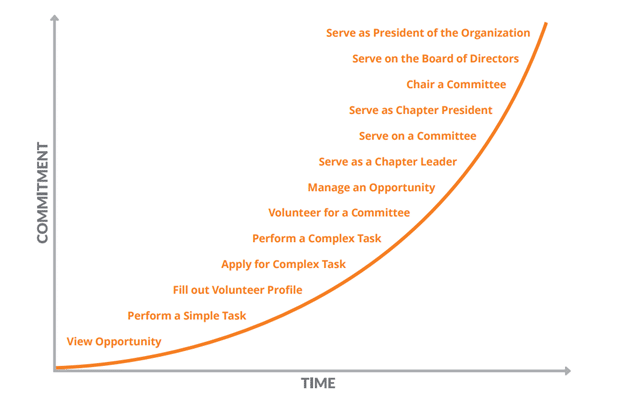
Offer micro-volunteering opportunities to build a broader base of contributors. Make it easy for members to take on small, time-bound tasks that still make a difference. Then nurture those light-touch volunteers into deeper involvement over time using a commitment curve model.
6. The Ghost Mentor Pool
You excitedly launch a mentorship program and open applications. Dozens of mentors sign up—but months later, only a handful of matches have actually happened. Why? Because no one followed up, members weren’t matched manually, and you relied on email threads to coordinate.
How to avoid it:
Automate the mentor match process as much as possible using community tools and . Offer members visibility into the program’s status and progress. And make sure there’s a staff liaison (with backup!) responsible for monitoring and supporting engagement throughout.
Turn Headaches Into High-Impact Programs
Volunteer and mentorship programs shouldn’t be chaos—they should be core member engagement strategies that create leadership pipelines, peer connection, and long-term retention.
With the right planning, technology, and support, you can:
- Match members to the right roles faster
- Build scalable, flexible engagement journeys
- Recognize and retain your most passionate volunteers
- Use automation for easy and efficient communication
- Avoid burnout and boost satisfaction
Don’t let a volunteer horror story become your reality. Start building smarter, more sustainable programs that grow with your members—and grow your association’s impact.
Higher Logic Can Help
Looking for a better way to manage volunteering and mentoring programs? Check out our Online Community add-on designed for exactly that!